October 30, 2026
Best Techniques for Removing Rust Stains from Pavers
By @remingtonwlng833
Rust stains on pavers usually come from metal furniture, tools, fertiliser granules or irrigation water containing iron. In Glenelg, coastal exposure can accelerate corrosion of outdoor metal items, leaving orange-brown marks on driveways, courtyards and garden paths. The best removal method depends on the paving material and the source of the stain. Using the wrong cleaner can damage the surface without removing the discolouration.
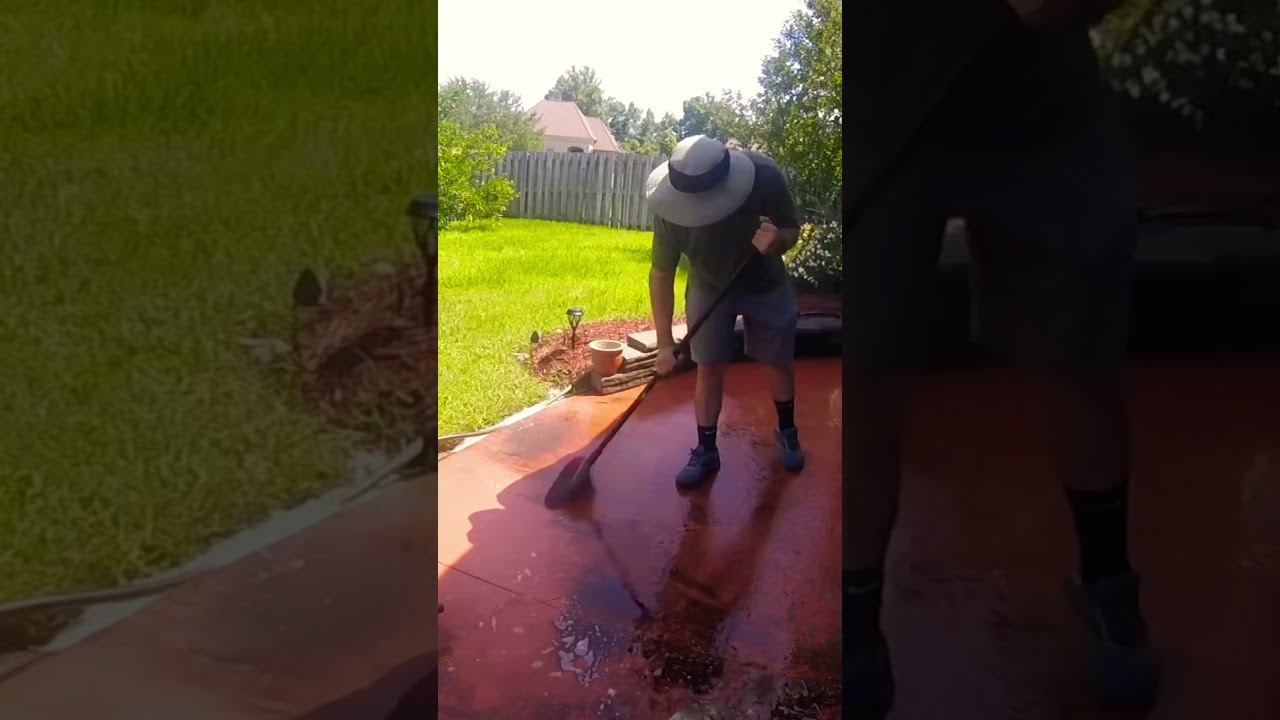
Identify the Paver Material First
Before applying any treatment, check whether your pavers are concrete, clay brick or natural stone. Concrete and some coloured pavers can become etched or discoloured by acidic cleaners. Limestone, marble and travertine are particularly acid-sensitive, while other stones require products approved for their specific composition.
If the paving is sealed, check that the cleaner is compatible with the sealer. Always test a small, inconspicuous area and let it dry completely before treating a visible section.

How to Remove Rust Stains Safely
- Remove the source: Move rusty furniture or metal objects and sweep away fertiliser granules. Do not scrub granules into the paving.
- Clean loose dirt: Sweep the area, then wash away surface grime using a suitable mild detergent and a nylon brush. Rinse before applying another product.
- Select a compatible rust remover: Choose a product explicitly labelled for rust removal on your paving material. Some formulations contain oxalic acid or other specialised ingredients; suitability varies by product.
- Follow the label: Wear the specified protective equipment and follow dilution, application and dwell-time instructions. Pre-wet the surface only if directed, and do not let the treatment dry unless instructed.
- Agitate and rinse: Use a nylon brush if recommended, then rinse thoroughly while containing runoff. Assess the result after the pavers dry.
Best Techniques for Different Stains
Fresh, Light Rust Marks
A compatible, purpose-made rust remover is generally a more controlled choice than household acids. Treat fresh marks promptly, as dissolved iron can penetrate porous pavers. A second label-approved application https://glenelgpressurecleaning.com.au/driveway-cleaning/ may work better than increasing the concentration or leaving the product on longer.
Deep or Persistent Rust Stains
For embedded staining, a specialist poultice may help draw dissolved iron from porous material. Poultices must be matched to both the stain and the substrate. On valuable natural stone, widespread staining or previously damaged paving, professional assessment helps reduce the risk of permanent surface changes.
Methods to Avoid
Do not use hydrochloric acid as a general rust-cleaning solution. It can attack cement-based surfaces, affect colour and damage nearby metal. Vinegar and lemon juice also contain acids and are not universally safe alternatives. Chlorine bleach is not a suitable rust remover, and cleaning products must never be mixed.
Pressure washing alone often fails to remove embedded rust. Excessive pressure can erode paver surfaces and dislodge jointing sand. Avoid wire brushes, which can scratch paving and leave metal particles that later rust.
Protect Glenelg Gardens and Stormwater
Plan how to contain cleaning liquid before starting. Keep chemical runoff out of stormwater drains, garden beds and neighbouring properties. Follow the product’s disposal instructions and check relevant local council and South Australian EPA guidance where necessary. Avoid applying products in strong sun or windy conditions that make drying and spray drift difficult to control.
Prevent Rust Stains Returning
Use non-staining furniture feet, repair corroding metal finishes and sweep up iron-containing fertiliser immediately. Investigate recurring marks near irrigation outlets rather than repeatedly cleaning the same area. A compatible penetrating sealer may make future cleaning easier, but it does not make pavers stain-proof.
For extensive rust staining in Glenelg, choose a paving-cleaning service that identifies the substrate, performs a test patch and explains its runoff-control method before treatment.
Glenelg Pressure Cleaning
Unit 3/2-4 Byre Ave, Somerton Park SA 5044
(08) 7282 0893
❧